
The Essential Guide to Production House Success in 2025
- Nov 24, 2025
- 13 min read
The production house landscape is experiencing explosive growth in 2025, bringing unprecedented competition and opportunity. As new platforms and formats emerge, achieving standout success requires more than just creative talent.
This essential guide delivers expert strategies and practical insights for thriving in a rapidly changing market. You will discover the latest industry trends, learn how to build high-performance teams, and master operational excellence.
Explore creative innovation, cutting-edge technology, and powerful collaboration techniques. Find out how to overcome top challenges and position your production house as a market leader. Ready to gain a competitive edge? Read on and unlock your path to success.
Understanding the 2025 Production House Landscape
The production house industry is experiencing rapid transformation as we head into 2025. Shifting audience habits, new technologies, and changing client demands are redefining what it means to be a successful production house today. To stay ahead, it is essential to understand how roles, trends, opportunities, and skills are evolving in this competitive landscape.
The Evolving Role of Production Houses
The role of the production house has shifted far beyond traditional film and TV. Today, these companies are multi-platform content creators, producing everything from web series and branded podcasts to immersive VR/AR experiences.
In 2024, there was a 35% increase in digital content demand, highlighting the need for production house teams to offer full-service creative partnership rather than act as simple vendors. Content strategy and brand storytelling have become core offerings.
With the rise of globalized work and remote production models, a modern production house now requires cross-disciplinary teams. Writers, technologists, and marketers work side by side, ensuring projects are both creatively strong and strategically aligned.
Key Industry Trends Shaping Success
Industry trends are shaping the future of every production house. Streaming and on-demand content continue to surge, while short-form and vertical videos have become dominant on social media.
Sustainability is a growing priority, with more production house teams adopting green practices. Data-driven content creation is also on the rise, as analytics help target audiences more effectively.
A notable trend is the emergence of micro-production houses specializing in niche content. Recent insights show that 60% of production house businesses now offer digital-first services. For a deeper dive into how technology and storytelling are evolving, see these emerging TV and movie production trends.
Market Opportunities and Competitive Pressures
The production house landscape is rich with opportunities, but competition is fierce. Companies are expanding into branded entertainment and forming influencer partnerships to reach new audiences.
Freelance creators and boutique agencies are increasing market pressure, while emerging markets in Asia and Latin America present fresh opportunities for growth. However, tighter budgets and faster project cycles are common challenges.
Leading production house firms now deliver projects 25% faster year over year. Clients also expect measurable ROI, making operational agility and strategic thinking vital for success.
Essential Skills and Capabilities for 2025
To thrive, every production house must embrace agility and continuous learning. Adopting new technologies like AI and virtual production is essential, as is strong project management and remote collaboration.
Multi-platform distribution expertise is a must. Teams need to balance creative vision with commercial objectives, ensuring client goals are met without sacrificing originality.
Robust client communication and transparency have become non-negotiable. Production house leaders who prioritize upskilling and adaptability will be best positioned to navigate the challenges of 2025.
Building a High-Performance Production House Team
A high-performing production house thrives on the strength and synergy of its team. As the industry evolves, so do the demands on talent, structure, and company culture. To compete and succeed in 2025, building an agile, skilled, and motivated team is non-negotiable.
Key Roles and Team Structures
The foundation of any production house is its core team. Key roles include producers, directors, directors of photography (DOPs), editors, writers, and sound engineers. Specialized talent such as VFX artists, colorists, data analysts, and social media strategists are increasingly essential.
Modern production house teams often use flexible, project-based staffing models. Hybrid in-house and freelance arrangements allow access to the best talent for each project. In fact, 70 percent of production houses now rely on this hybrid approach to scale up or down as needed.
Diversity and inclusion are also critical. Teams with varied backgrounds and perspectives consistently deliver more innovative ideas, which sets a production house apart. A well-structured team boosts efficiency and fosters creative excellence.
Talent Acquisition and Retention Strategies
Attracting and retaining top talent is a central challenge for every production house. Competitive compensation and transparent growth paths are baseline expectations. Investing in ongoing training and professional development keeps skills current and team members engaged.
A strong employer brand and creative culture make a production house more attractive to top candidates. Collaborating with film schools and creative programs builds a pipeline of fresh talent and innovative thinkers.
Many successful production house leaders look to independent film production companies for inspiration, adopting mentorship programs and internal workshops. These strategies nurture loyalty and encourage knowledge sharing, which is vital in a fast-moving industry.
Fostering Collaboration and Communication
Effective collaboration is the backbone of a successful production house. Teams rely on tools like Slack, Asana, and cloud-based editing platforms to stay connected and organized. Regular check-ins and creative brainstorming sessions spark new ideas and keep everyone aligned.
Clearly documenting project goals and deliverables ensures accountability and minimizes confusion. Encouraging open feedback and knowledge sharing empowers team members to contribute fully.
Production house teams working remotely have reported a 15 percent increase in productivity when using structured communication protocols. This highlights the importance of strong digital workflows and transparent communication.
Leadership, Vision, and Company Culture
Visionary leadership is essential for setting the creative direction of a production house. Leaders define and communicate core values, inspiring teams to take risks and experiment with new ideas. A culture that rewards innovation and recognizes achievements attracts high-profile clients and top-tier talent.
Company culture should encourage collaboration, inclusivity, and continuous improvement. When leadership prioritizes these values, the production house becomes a magnet for creative professionals who want to make an impact.
Houses with a strong, positive culture consistently outperform their peers. They build reputations as industry leaders and trusted creative partners.
[100 Sutton Studios: A Model for Full-Service Production] (https://100suttonstudios.com)
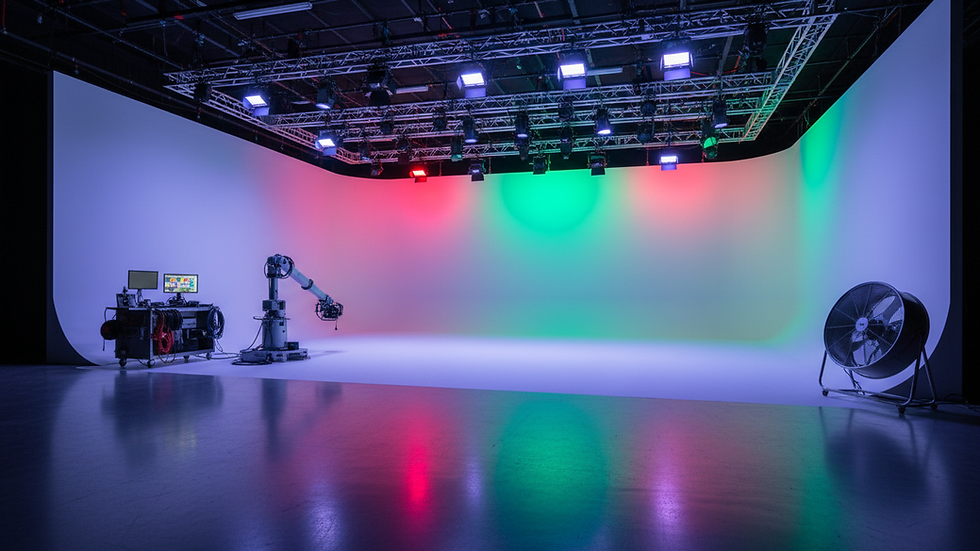
100 Sutton Studios exemplifies what a modern production house can achieve. Their versatile studio spaces, end-to-end production capabilities, and event facilities enable seamless creative workflows.
Integrated technology, such as motion control robotics and a deluxe theater, supports both creative and operational excellence. This one-stop-shop approach streamlines the production process for brands, agencies, and creators.
100 Sutton Studios prioritizes client experience and fosters a vibrant creative community. Their ability to serve global brands with scalable solutions and premium amenities demonstrates the value of a high-performance production house team.
Operational Excellence: Workflow, Processes, and Efficiency
Achieving operational excellence is at the heart of every successful production house. In 2025, the landscape is more complex and fast-paced than ever, demanding precise workflows, robust processes, and relentless efficiency. By mastering each stage of the production lifecycle, a production house can deliver standout results, delight clients, and maintain a competitive edge.
Pre-Production: Laying the Foundation
The pre-production phase establishes the framework for a seamless production house operation. Effective planning, accurate budgeting, and detailed scheduling are non-negotiable for minimizing risks and avoiding overruns. Script development, casting, and location scouting require collaborative input from creative and logistical teams.
Utilizing digital tools for pre-visualization and storyboarding streamlines communication and clarifies creative intent. For example, cloud-based platforms enable real-time updates and feedback, reducing errors and wasted effort. Legal and regulatory compliance is also essential, with clear processes for permits, contracts, and copyright protection.
A production house that excels in pre-production typically sees a 20% reduction in project overruns, maximizing both creativity and efficiency.
Production: Managing Shoots for Quality and Speed
On-set excellence is crucial for any production house aiming to balance quality with speed. Clear role assignments, strong time management, and a focus on safety create a productive environment. Leveraging technology, such as real-time monitoring and wireless workflows, allows teams to adapt quickly to changing project needs.
The shift to hybrid crews and distributed teams means remote directing and at-home setups are increasingly common. For practical guidance, see this resource on at-home recording studio setup, which highlights tools and workflows that keep production house teams connected and agile.
Maintaining the creative vision, even under tight deadlines, is made possible by adaptable crews and an openness to virtual sets or remote collaboration, ensuring every shoot delivers on client expectations.
Post-Production: Delivering Polished Results
Post-production is where a production house transforms raw footage into a polished final product. Editing, color grading, sound design, and VFX must come together seamlessly. Collaborative, cloud-based editing solutions empower distributed teams to work simultaneously, speeding up delivery without sacrificing quality.
Quality control checkpoints and structured client review processes ensure the final product meets all specifications. Fast-track workflows, especially for social-first content, are vital for meeting tight turnaround times. Data security and regular backups protect client assets and maintain trust.
A production house that invests in efficient post-production workflows consistently delivers top-tier results, even on compressed schedules.
Distribution and Client Delivery
Modern distribution strategies enable a production house to reach audiences across multiple platforms, from traditional broadcast to OTT and social media. Each format demands specific technical standards, including metadata, closed captioning, and accessibility features.
Secure file delivery systems and comprehensive asset management ensure that clients receive their content quickly and safely. Automated distribution platforms have become industry standards, allowing for faster and more reliable client delivery.
Continuous improvement is driven by collecting and analyzing client feedback, which helps a production house refine its processes and exceed expectations with every project.
Measuring and Optimizing Performance
Sustained excellence requires a production house to track and optimize performance at every stage. Key performance indicators (KPIs) such as on-time delivery, budget adherence, and client satisfaction provide actionable insights.
Regular post-mortem reviews and lessons learned sessions help teams identify strengths and areas for improvement. Process automation and workflow tools streamline repetitive tasks and reduce human error. Ongoing team training ensures that everyone stays current with evolving systems and technologies.
Top-performing production house teams conduct quarterly process audits, fostering a culture of continuous improvement and operational resilience.
Creative Innovation and Content Strategy for 2025
Creative innovation sits at the heart of every successful production house in 2025. As the industry evolves, standing out requires more than just technical skill—it demands a bold approach to content strategy, a keen understanding of audience needs, and a willingness to embrace change.
Developing Winning Creative Concepts
The foundation of a standout production house is its ability to generate fresh, relevant ideas. Teams use brainstorming sessions, mood boards, and creative workshops to spark inspiration. Keeping client objectives and target audiences top of mind ensures concepts resonate and drive results.
Popular storytelling frameworks, such as the hero’s journey or problem-solution structures, help shape narratives for different platforms. For example, branded content that taps into authentic emotions can drive up to 3x audience engagement compared to traditional ads.
Balancing originality with market trends is crucial. Production house teams foster an environment where experimentation is encouraged, but every concept must align with client strategy and audience insights.
Multi-Platform Storytelling and Format Adaptation
A modern production house thrives by adapting stories across platforms. Content is repurposed for TV, web, social media, and even live events, ensuring maximum reach and impact. Short-form and vertical videos dominate social feeds, while longer narratives live on OTT and TV.
Teams carefully tailor messaging and visuals for each channel. A web series, for example, might be edited into bite-sized social shorts to capture attention and increase shareability. Consistency in branding and tone across all platforms is essential for building trust and recognition.
This multi-platform mindset allows a production house to maximize the value of every project and connect with diverse audiences.
Leveraging Data and Audience Analytics
Data-driven decisions set leading production house teams apart. Analytics tools reveal what content resonates, helping refine creative strategies before major investments are made. Teams use focus groups, A/B testing, and real-time performance tracking to validate concepts.
For instance, data-driven storytelling can increase video completion rates by 40 percent, ensuring messages land with the intended audience. Agile teams adjust content on the fly based on feedback and performance metrics.
By embedding analytics into every stage, a production house can deliver measurable results and continuously improve content effectiveness.
Integrating New Technologies and Production Techniques
Innovation defines the modern production house. Teams use AI-assisted editing, virtual production tools, and motion capture to streamline workflows and unlock new creative possibilities. Technologies like drones, 360 degree video, and AR/VR enable immersive experiences that captivate audiences.
Virtual sets, for example, can reduce production costs by 30 percent and allow for more flexible shoots. Animation is another rapidly expanding service area—explore Animation production insights for a deeper look at how production houses are leveraging these technologies.
Staying current with emerging tech ensures a production house remains competitive and future-ready.
Sustainability and Social Responsibility in Content Creation
Today’s audiences expect a production house to lead with purpose. Eco-friendly practices, such as LED lighting and digital workflows, minimize environmental impact. Inclusive storytelling and diverse casting broaden appeal and reflect real-world audiences.
Green productions attract eco-conscious brands, while addressing social issues and brand purpose in content builds trust. Teams prioritize projects that align with both client values and societal needs.
By embracing sustainability and responsibility, a production house not only meets market demand but also helps shape a more positive industry future.
Strategic Partnerships, Collaboration, and Scaling Up
To achieve sustainable growth in 2025, every production house must embrace strategic partnerships, collaborative ventures, and scalable operations. The following strategies outline how to build an adaptable business model that thrives in a rapidly evolving creative landscape.
Working with Brands, Agencies, and Influencers
Building long-term relationships with brands, agencies, and influencers is vital for a production house aiming to secure repeat business and expand its portfolio. Success depends on understanding each partner's unique objectives and aligning creative output with their vision.
Co-creation is a powerful tool. By involving clients and influencers early in the campaign development process, a production house ensures buy-in and creative synergy. Award-winning campaigns often result from these deep collaborations.
Managing brand guidelines and approval processes efficiently is crucial. A clear workflow helps avoid delays and ensures that all content meets client expectations. For many, these partnerships open doors to new audiences and markets, reinforcing the production house as a trusted creative ally.
Collaboration with Technical and Creative Partners
Complex projects increasingly require a production house to collaborate with technical and creative partners, such as VFX studios, sound houses, and tech providers. Pooling resources allows for greater flexibility and higher production value, especially on large-scale projects.
Joint ventures and co-productions can expand reach and share risk. Cross-company teams bring together diverse expertise, fueling innovation and problem-solving. For example, a production house might work with a specialized animation studio to create immersive branded content.
Sharing knowledge and assets, while respecting intellectual property, enhances the creative process. This collaborative mindset positions a production house as a forward-thinking leader, ready to tackle the industry's most ambitious challenges.
Expanding Service Offerings and Revenue Streams
To remain competitive, a production house must diversify its service offerings. Moving beyond traditional production, many now provide live streaming, branded experiences, and consulting services. This shift enables the business to tap into new revenue streams and meet evolving client needs.
Launching in-house content labs and developing original IP are effective strategies for differentiation. By offering corporate video production services, a production house can address commercial and operational requirements for a broader range of clients.
Monetizing intellectual property and providing training or strategy consulting further strengthens the business model. This proactive approach ensures a production house remains agile in a changing marketplace.
Scaling Operations: Local to Global
Expanding from local projects to global productions is a major growth opportunity for any production house. Opening satellite offices or building remote teams allows for broader reach and access to international talent.
Navigating regulations, logistics, and cultural nuances is essential. Cloud-based project management tools streamline workflows, enabling seamless coordination across time zones and geographies.
Distributed crews and partnerships with local vendors make large-scale productions possible. This global mindset not only increases a production house’s capacity but also positions it as a partner of choice for brands seeking worldwide impact.
Building a Resilient and Adaptable Business Model
In 2025, resilience is a competitive advantage. Market shifts, such as the global film and TV production downturn, highlight the need for flexible business models. Scenario planning, diversified revenue streams, and innovative pricing models help a production house weather uncertainty.
Investing in research and development fosters adaptability and keeps the business ahead of industry trends. A culture that encourages experimentation and quick pivots enables teams to respond rapidly to disruptions.
Ultimately, a resilient production house balances risk with opportunity, ensuring long-term growth and continued success in a dynamic environment.
Overcoming Challenges and Ensuring Long-Term Success
Staying competitive in the production house sector requires more than creative talent. Leaders must anticipate disruption, respond to market pressures, and balance financial realities with bold artistic vision. Here are the core challenges facing production houses in 2025 and practical ways to secure lasting success.
Navigating Technological Disruption and Change
Rapid advancements in technology continue to reshape how every production house operates. From AI-driven workflows to virtual sets, adapting early can set a company apart. According to recent virtual production market growth data, integrating these tools not only streamlines processes but also expands creative possibilities.
To succeed, teams must prioritize continuous learning and invest in upskilling. Early adoption of cloud-based workflows has already increased market share for forward-thinking teams. Managing costs for new tech requires careful planning, but those who innovate quickly often secure a competitive edge.
Competing in a Crowded Market
The production house landscape is more crowded than ever, with boutique studios and freelancers vying for attention. Standing out demands a clear value proposition and a recognizable brand. Many successful production houses find their niche, offering specialized services or cultivating a unique creative voice.
Building trust through testimonials and showcasing case studies can help win clients. Thought leadership, such as publishing industry insights or hosting events, also strengthens reputation. Personalized service and expertise remain key differentiators in a saturated market.
Managing Budgets, Funding, and Profitability
Profitability is a constant challenge for any production house, especially with tighter budgets and shifting client expectations. Transparent communication about costs builds trust and helps prevent misunderstandings. Streamlined budgeting processes, along with regular financial reviews, have been shown to improve margins by 15%.
Exploring alternative funding, such as grants or co-productions, can provide stability during market fluctuations. Balancing creative ambition with financial discipline ensures a sustainable business model. Regularly revisiting budgets allows teams to adapt quickly and maintain profitability.
Balancing Creative and Commercial Goals
Every production house must balance artistic ambition with commercial realities. Open dialogue between creative and business teams is essential to align project goals. When conflicts arise, collaborative problem-solving helps find solutions that satisfy both sides.
Projects that achieve critical acclaim and deliver strong ROI are possible when there is mutual respect and a win-win mindset. Encouraging feedback and flexibility ensures both creativity and client needs are met. This balanced approach leads to long-term client relationships and continued growth. As you look ahead to 2025, you know staying ahead in the production world means finding the right partner and the perfect space for your creative vision. At 100 Sutton Studios, you’ll find not just versatile studios and state-of-the-art facilities, but a team dedicated to helping you bring your next film or photo project to life with precision and innovation. If you’re ready to put these strategies into action and set your production up for true success, let’s take the next step together—Plan Your Next Film or Photo Project.


Comments