
Studio Design Essentials: Essential Features of a Studio Space
- Jan 13
- 4 min read
Creating the perfect studio environment is more than just finding a room with four walls. It’s about crafting a space that fuels creativity, supports technical needs, and adapts to various projects. Whether you’re a photographer, filmmaker, designer, or part of a global brand or advertising agency, understanding the essential features of a studio space can transform your work and elevate your productions.
When I first started working in studios, I quickly realized that the right environment makes all the difference. It’s not just about aesthetics; it’s about functionality, comfort, and flexibility. Let’s explore the key elements that every studio should have to meet the demands of today’s creative professionals.
Studio Design Essentials: Space and Layout
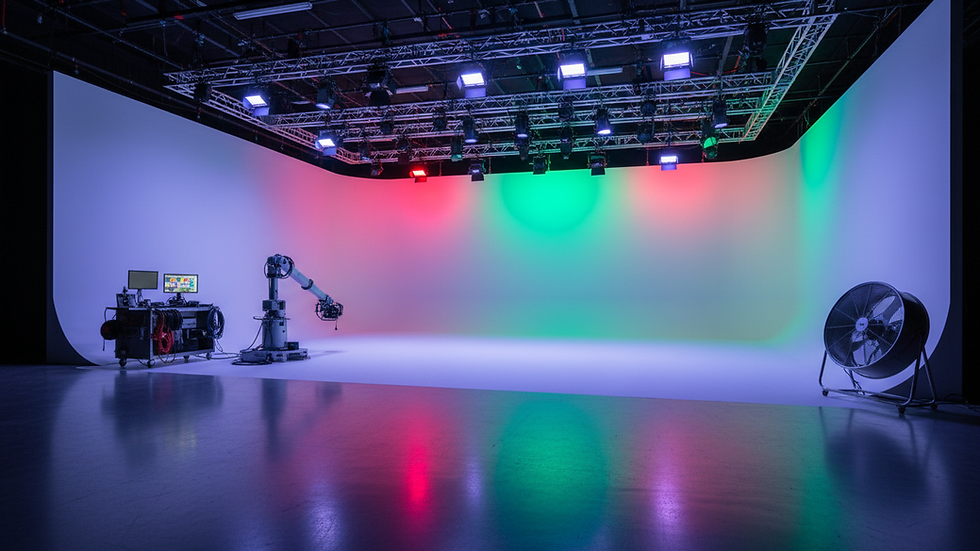
The foundation of any great studio is its space and layout. You need room to move, set up equipment, and accommodate your team comfortably. A cramped studio can stifle creativity and slow down production, while a well-planned layout encourages efficiency and flow.
Open Floor Plan: An open layout allows for versatile setups. Whether you’re shooting a fashion campaign or filming a commercial, having the ability to rearrange your space quickly is invaluable.
High Ceilings: Taller ceilings provide more room for lighting rigs, backdrops, and large props. They also help with better air circulation, which is crucial during long shoots.
Zoning Areas: Designate specific zones for different activities—shooting, editing, wardrobe, and client meetings. This separation keeps the workflow organized and minimizes distractions.
For example, I’ve seen studios where the shooting area is adjacent to a makeup and styling zone, allowing models and talent to prepare without interrupting the shoot. This kind of thoughtful zoning saves time and keeps the energy positive.

Lighting and Acoustics: The Backbone of Production
Lighting is the heart of any visual production. Without proper lighting, even the best camera and talent can’t shine. But lighting isn’t just about brightness; it’s about control and quality.
Natural Light Access: Large windows or skylights can provide beautiful, soft natural light. However, it’s essential to have blackout options to control lighting conditions when needed.
Adjustable Artificial Lighting: Invest in versatile lighting equipment such as softboxes, LED panels, and reflectors. These tools allow you to shape light precisely and create the desired mood.
Dimmable and Color-Adjustable Lights: Being able to adjust the intensity and color temperature of your lights helps match different shooting requirements and times of day.
Acoustics are often overlooked but are equally important, especially for filmmakers and content creators working with sound.
Soundproofing: Use acoustic panels, foam, or heavy curtains to reduce echo and external noise. This ensures clean audio recordings and a quieter working environment.
Flooring and Wall Materials: Hard surfaces reflect sound, while softer materials absorb it. Balancing these elements can improve sound quality dramatically.
In one project, I worked in a studio where the soundproofing was so effective that we could record voiceovers without any external interruptions, even though the studio was located in a busy urban area.
Essential Equipment and Technology Integration
A studio is only as good as the tools it offers. Having the right equipment readily available can save hours and improve the quality of your work.
High-Speed Internet and Connectivity: Fast and reliable internet is a must for uploading large files, live streaming, or collaborating remotely.
Power Outlets and Cable Management: Multiple power sources and well-organized cables prevent hazards and keep the space tidy.
Storage Solutions: Shelves, cabinets, and secure storage for cameras, lenses, props, and costumes keep everything accessible and protected.
Editing and Post-Production Areas: Dedicated spaces with powerful computers, calibrated monitors, and comfortable seating allow for efficient editing and review.
Integrating technology seamlessly into the studio design means less downtime and more focus on creativity. For instance, having a dedicated editing suite adjacent to the shooting area lets you review footage immediately and make quick adjustments.

Comfort and Amenities: Supporting Long Creative Sessions
Long hours in the studio can be taxing. Comfort and convenience are essential to maintain energy and focus throughout the day.
Climate Control: Heating, ventilation, and air conditioning systems keep the environment comfortable regardless of the season.
Break Areas: A small lounge or kitchen area where the team can relax, eat, and recharge is invaluable.
Restrooms and Changing Rooms: Clean, private facilities for talent and crew improve professionalism and ease of use.
Ergonomic Furniture: Adjustable chairs, worktables, and standing desks help prevent fatigue and promote good posture.
When I visit studios that prioritize comfort, I notice a significant difference in morale and productivity. People work better when they feel cared for, and that translates into better creative output.
Flexibility and Adaptability: Preparing for Any Project
The creative industry is dynamic, and your studio should be ready to adapt to different project needs.
Modular Furniture and Equipment: Items that can be easily moved or reconfigured allow for quick changes in setup.
Multiple Backdrops and Props: Having a variety of backgrounds and props on hand lets you switch styles and themes without delay.
Multi-Purpose Rooms: Spaces that can serve as shooting areas, meeting rooms, or editing suites maximize utility.
Accessibility: Easy access for loading equipment, parking, and accommodating clients or talent is crucial.
Flexibility means you’re prepared for anything—from a last-minute product shoot to a complex film set. It’s about creating a space that works for you, not the other way around.
Designing a studio space that meets these essentials is no small task, but the payoff is immense. A well-thought-out studio becomes a creative sanctuary where ideas come to life efficiently and beautifully. If you’re looking for a premier creative production hub that embodies these principles, 100 Sutton Studios in Greenpoint offers a state-of-the-art facility designed with every detail in mind. Their comprehensive services and flexible spaces make them a top choice for photographers, filmmakers, and global brands alike.
By focusing on space, lighting, equipment, comfort, and flexibility, you can create a studio environment that not only meets your current needs but grows with your creative ambitions. Isn’t it time your studio worked as hard as you do?


Comments