
Maximizing Your Time in a Rented Studio Space
- Feb 11
- 4 min read
Renting a studio space can be a game-changer for creatives, entrepreneurs, and professionals who need a dedicated area to work, create, or collaborate. However, simply having access to a studio is not enough. To truly benefit from it, you need to maximize your time and make the most out of every moment spent there. This guide will walk you through practical tips and strategies to help you optimize your productivity and creativity in a rented studio space.
How to Organize Your Studio Space for Maximum Efficiency
A well-organized studio space is the foundation of productivity. When everything has its place, you spend less time searching and more time creating. Here are some actionable steps to organize your studio effectively:
Designate Zones: Divide your studio into specific areas such as work, storage, and relaxation. For example, keep your desk and tools in one corner, storage shelves in another, and a small seating area for breaks.
Use Vertical Space: Install shelves or pegboards on walls to keep supplies off the floor and within easy reach.
Label Everything: Use clear labels on boxes, drawers, and containers to quickly identify contents.
Keep Essentials Handy: Store frequently used items close to your main work area to avoid unnecessary movement.
Declutter Regularly: Set aside time weekly to tidy up and remove items you no longer need.
By implementing these steps, you create a streamlined environment that supports focus and creativity.
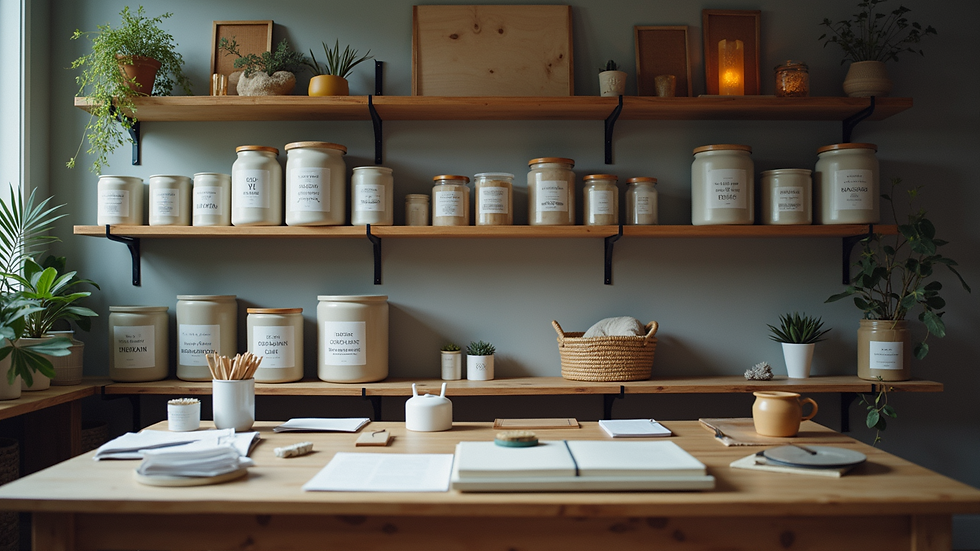
Tips for Scheduling Your Time in a Studio Space
Time management is crucial when working in a rented studio space. You want to ensure that every visit is productive and purposeful. Here are some tips to help you schedule your time effectively:
Set Clear Goals: Before each session, write down what you want to accomplish. This keeps you focused and motivated.
Block Time Slots: Allocate specific blocks of time for different tasks such as brainstorming, creating, editing, or cleaning.
Use Timers: Employ techniques like the Pomodoro method (25 minutes work, 5 minutes break) to maintain concentration.
Avoid Multitasking: Focus on one task at a time to improve quality and efficiency.
Plan for Setup and Cleanup: Include time for setting up your materials and tidying up afterward to keep the space ready for your next visit.
Scheduling your studio time with intention helps you avoid wasted hours and maximizes your creative output.
What are studio space alternatives?
While renting a dedicated studio space is ideal for many, there are alternative options depending on your needs and budget:
Co-working Spaces: These shared environments offer flexible desks and meeting rooms, often with creative amenities.
Home Studios: Setting up a workspace at home can save money but may come with distractions.
Pop-up Studios: Temporary rentals in various locations can be useful for short-term projects or events.
Community Centers: Some local centers provide affordable space for artists and creators.
Outdoor Spaces: Parks or public areas can inspire creativity, especially for photography or painting.
Each alternative has pros and cons, so consider your workflow, equipment needs, and privacy requirements before choosing.

How to Personalize Your Rented Studio Space
Making a rented studio space feel like your own can boost your comfort and creativity. Here are some ways to personalize your area without violating rental agreements:
Bring Personal Items: Add a few meaningful objects like photos, plants, or artwork.
Use Portable Decor: Items like rugs, cushions, or lamps can add warmth and style.
Customize Lighting: Use adjustable lamps or string lights to create the right ambiance.
Incorporate Inspiring Elements: Pin up mood boards, quotes, or sketches that motivate you.
Choose Functional Furniture: Select pieces that suit your work style and can be easily moved if needed.
Personalizing your studio helps you feel connected to the space and encourages longer, more enjoyable work sessions.
Leveraging Technology in Your Studio Space
Technology can significantly enhance your productivity in a rented studio space. Here are some practical ways to integrate tech tools:
Wireless Devices: Use wireless keyboards, mice, and printers to reduce cable clutter.
Cloud Storage: Save your work online to access it from anywhere and protect against data loss.
Project Management Apps: Tools like Trello or Asana help you track tasks and deadlines.
Noise-Canceling Headphones: Block out distractions and focus on your work.
Smart Lighting: Adjust brightness and color temperature to reduce eye strain and improve mood.
By embracing technology, you can streamline your workflow and create a more efficient studio environment.
Making the Most of Your Studio Space Rental
When you invest in a studio space rental, you want to ensure it delivers value. Here are some final tips to maximize your experience:
Understand the Terms: Know your rental agreement details, including access hours and amenities.
Communicate with Management: Report any issues promptly and ask about additional services.
Network with Other Renters: Collaborate or share ideas with others using the space.
Keep a Log: Track your studio usage and accomplishments to evaluate your progress.
Stay Flexible: Adapt your schedule and setup as your projects evolve.
By actively managing your rented studio space, you turn it into a powerful asset for your creative and professional goals.


Comments