
The Ultimate Guide to Audiovisual Production in 2026
- Dec 5, 2025
- 11 min read
As 2026 approaches, audiovisual production is experiencing unprecedented growth, fueled by breakthroughs in artificial intelligence, immersive technologies, and the explosion of digital content worldwide. This comprehensive guide dives deep into the evolving landscape, unveiling the step-by-step process, essential tools, and emerging trends that define success in the industry today. Discover how to harness advanced workflows, master cutting-edge techniques, and stay ahead of the curve as you create high-impact content. If you want to elevate your skills, adapt to change, and lead in the world of audiovisual production, this guide is your roadmap to future-ready expertise.
The Evolution of Audiovisual Production: Trends and Technologies in 2026
The landscape of audiovisual production in 2026 is a dynamic blend of history, innovation, and transformative technology. As creative industries advance, understanding how audiovisual production has evolved is essential for anyone looking to succeed in this fast-paced field.
Key Milestones in Audiovisual Production
Audiovisual production has traveled a remarkable path, beginning with analog film reels and tape recorders. The shift to digital in the late 20th century brought about nonlinear editing, high-definition video, and accessible software, making production more efficient and creative.
The 2020s marked a turning point as 4K and 8K resolutions became standard, mobile devices emerged as powerful filmmaking tools, and streaming platforms dominated global content consumption. This era also saw the integration of artificial intelligence, with AI-driven scriptwriting, animation, and even virtual influencers redefining what is possible in audiovisual production. AI-generated music videos and digital personalities now reach millions, expanding creative frontiers.
Remote and virtual production environments have become common, enabling teams to collaborate across continents using cloud-based tools. User-generated content exploded, democratizing audiovisual production and empowering creators everywhere. The demand for video content skyrocketed, with over 50% of marketing professionals citing video as the highest-ROI format.
A compelling example is the rise of AI-powered music videos, where generative algorithms create visuals in sync with original tracks. This trend not only streamlines production but also inspires new forms of storytelling, as seen with virtual influencers who engage audiences in real time. For a deeper look at how AI is transforming the European media landscape, see AI's Impact on European Media Industry.
Essential Technologies Shaping 2026
The toolkit for audiovisual production in 2026 is more sophisticated than ever. AI-powered editing and post-production solutions such as ElevenLabs, Veo3, and Midjourney automate repetitive tasks, accelerate workflows, and enable real-time feedback. These platforms are revolutionizing how professionals approach every stage of audiovisual production.
Immersive media has taken center stage. Virtual reality, augmented reality, and mixed reality are now integral to storytelling, allowing content creators to design interactive experiences that captivate audiences. High-resolution standards like 5K and 8K ensure that audiovisual production meets the demands of modern screens, from cinema to smartphones.
Advanced compression formats enable faster, higher-quality delivery, making large video files manageable for both streaming and downloads. Cloud-based collaboration platforms have become standard, giving production teams the flexibility to work remotely without sacrificing efficiency or creative control.
Below is a comparison of some essential technologies shaping audiovisual production in 2026:
Technology | Purpose | Impact on Workflow |
ElevenLabs | AI-powered audio/video editing | Automates editing tasks |
Veo3 | Real-time visual effects | Enhances creative options |
Midjourney | AI-driven concept ideation | Boosts pre-production speed |
VR/AR Platforms | Immersive storytelling | Engages audiences interactively |
Cloud Collaboration | Remote team workflows | Increases flexibility |
By leveraging these technologies, audiovisual production professionals can create content that is not only visually stunning but also optimized for a rapidly changing media landscape.
The Audiovisual Production Workflow: Step-by-Step Guide
The audiovisual production process in 2026 is more dynamic and technology-driven than ever. Success demands mastery of each workflow stage, from early concept to polished delivery. Let us break down each phase to help you navigate modern audiovisual production with confidence.
Pre-Production: Laying the Foundation
Every successful audiovisual production starts with a strong foundation. Begin by developing your concept, focusing on research and creative direction. Use brainstorming sessions and digital mind-mapping tools to refine your ideas.
Storyboarding and scripting are next. Visual planning is made easier with digital tools like Adobe Photoshop and Midjourney. These platforms allow for rapid iteration, ensuring your narrative flows clearly from start to finish.
Casting and location scouting have evolved, with AI now streamlining talent matching and enabling virtual set visualization. This reduces costs and broadens your creative choices.
Budgeting and resource allocation are critical. Digital budgeting tools help track expenses and maximize resources, ensuring your audiovisual production stays on track.
Assess technical feasibility early. Choose equipment, formats, and software that match your vision and budget. Always prioritize storytelling. Build narratives with clear goals, obstacles, and resolutions, as this structure keeps your audience engaged.
Key pre-production steps: <li>Concept ideation and research
Digital storyboarding and scripting
AI-driven casting and virtual locations
Smart budgeting tools
Technical assessment and planning
Strong pre-production sets the stage for a smooth production and post-production process.
Production: Capturing the Vision
During production, your audiovisual production vision comes to life. Camera selection is now broader than ever. Smartphones, DSLRs, and cinema cameras all have a place, depending on your project’s needs and budget.
Lighting techniques have advanced with LED RGB lighting and improved natural light control. This creates visually stunning footage with minimal setup time.
Audio quality is crucial. Use professional microphones and real-time AI noise reduction to capture clean sound. For deeper insights, refer to this guide on choosing the right recording microphones.
Shooting formats vary. Choose between 16:9, 21:9, or vertical video to match your distribution platforms. Frame rates, from 24 to 240 fps, should align with your content type and desired effects.
Consider this example: Mobile filmmaking is ideal for social media, offering flexibility and speed. For high-end commercials, cinema cameras and controlled lighting deliver unmatched quality.
Production essentials: <li>Select appropriate cameras and lenses
Master modern lighting setups
Prioritize audio capture and clarity
Adapt formats and frame rates for platforms
Tailor workflow for project scale
Each choice during production impacts the final quality and reach of your audiovisual production.
Post-Production: Bringing It All Together
Post-production is where your audiovisual production truly comes together. Begin with video editing, using AI-powered tools like Adobe Premiere, Final Cut Pro, or DaVinci Resolve. These platforms speed up sequencing, timing, and visual effects, allowing for creative experimentation.
Motion design and animation enhance storytelling. Tools like After Effects and Pika add dynamic graphics, while AI-based animation platforms open new creative possibilities.
Sound design is equally vital. AI-generated music, vocal harmonies, and immersive soundscapes elevate the emotional impact of your content.
Exporting and compression come next. Choose the right format—such as MPEG-2, MPEG-4, or QuickTime—to ensure optimal quality and fast delivery. Quality control is the final step. Review your content at multiple resolutions, from 1080p to 8K, to guarantee consistency.
Post-production checklist: <li>Edit and sequence footage with AI tools
Add motion graphics and animation
Refine sound and music design
Export in best format for distribution
Perform thorough quality checks
By mastering each step, you ensure your audiovisual production stands out in a crowded digital landscape.
Tools, Software, and Equipment for Cutting-Edge Production
Staying ahead in audiovisual production requires a deep understanding of the latest tools and gear. Each phase of the process, from capturing footage to finalizing edits, is shaped by specialized equipment and evolving technology. Let’s explore what defines cutting-edge production in 2026.
Cameras and Recording Gear
Choosing the right camera is crucial for audiovisual production. In 2026, options range from professional cinema cameras to advanced smartphones with powerful sensors. Mirrorless and DSLR cameras remain popular for their flexibility and image quality.
Essential accessories include interchangeable lenses, stabilizers, lighting kits, and motion control robots. These tools enable creators to achieve precise camera movements and adapt to different shooting environments.
Understanding manual and autofocus controls helps optimize focus for dynamic scenes. Adjusting shutter speed can capture crisp motion or create artistic blur, giving every audiovisual production its unique visual style.
Editing and Post-Production Software
Post-production defines the final look and feel of audiovisual production. Industry standards like Adobe Premiere Pro, Final Cut Pro, and DaVinci Resolve offer robust editing, color grading, and visual effects capabilities. AI-driven platforms such as ElevenLabs, Veo3, and Midjourney are transforming workflows by automating routine tasks and enhancing creativity.
A comparison of free and paid software options is useful for teams of all sizes:
Software | Key Features | Cost |
iMovie | Basic editing, easy to use | Free |
VSDC, ShotCut | Advanced filters, effects | Free |
Adobe Premiere Pro | Pro tools, AI features | Paid |
DaVinci Resolve | Color grading, collaboration | Freemium |
Cloud-based platforms support collaborative editing, enabling real-time teamwork from anywhere in the world. Selecting the right software stack ensures your audiovisual production is both efficient and future-ready.
Audio and Music Production Tools
Audio quality is fundamental to successful audiovisual production. Modern workflows integrate AI-powered solutions for voice synthesis, music generation, and sound libraries. Tools like Pro Tools, Logic Pro X, and Audacity provide versatile sound editing and mixing capabilities.
For creators working remotely or on a budget, Building an at-home recording studio offers actionable insights on setting up an optimized space for recording. This approach streamlines the integration of voiceovers, podcasts, and custom soundtracks into audiovisual production projects.
Seamless integration between audio and video editing software ensures clarity and impact, whether producing short-form content or immersive soundscapes.
Motion Design and Animation Platforms
Motion graphics and animation are vital for elevating audiovisual production. Industry leaders like After Effects and Blender empower creators to develop dynamic visuals and branded animations. AI-based animation tools accelerate workflow and unlock new creative possibilities.
Templates offer quick solutions, while custom designs allow for tailored brand storytelling. The right platform supports everything from explainer videos to high-end commercials, ensuring audiovisual production stands out in a crowded digital landscape.
Consistent use of motion design tools across projects helps maintain a recognizable visual identity. As animation technology evolves, mastering these platforms is essential for anyone seeking long-term success in audiovisual production.
Mastering Audiovisual Storytelling and Content Strategy
In 2026, mastering audiovisual production means much more than technical skills. Success depends on strategic storytelling, cohesive branding, platform-specific adaptation, and measurable results. To stand out, creators must blend creativity with data-driven content strategies at every step of the audiovisual production process.
Building Impactful Narratives
Effective storytelling is the heart of every successful audiovisual production. Start by mapping a clear narrative arc: a compelling beginning, an engaging middle, and a satisfying conclusion. Define your audience’s goals, identify their challenges, and present your solution as the story’s resolution.
Incorporate brand values and emotional hooks to create deeper connections. Whether producing corporate films, marketing videos, or documentaries, structure each project around a relatable journey. For example, many top independent film companies use character-driven stories to humanize complex topics and build audience trust.
A well-crafted narrative ensures your audiovisual production resonates, motivates action, and leaves a lasting impression.
Visual and Audio Branding
Consistent visual and audio branding elevates the impact of any audiovisual production. Use a unified color palette, signature typography, and cohesive transitions to reinforce brand recognition. Apply color grading that matches your brand’s mood and message across all content.
Develop a unique audio identity with branded sound cues and immersive soundscapes. Leading brands often use a signature jingle or audio logo to stand out in crowded digital spaces. When visuals and audio work together, the result is a memorable, professional presence.
Consider a case study: a global brand that maintains consistent motion graphics and sound design across campaigns will see stronger audience recall and engagement. This approach sets your audiovisual production apart from competitors.
Adapting Content for Multiple Platforms
Successful audiovisual production in 2026 demands platform flexibility. Optimize videos in vertical, square, and landscape formats to suit YouTube, Instagram, TikTok, and streaming services. Each platform has unique technical requirements and audience behaviors.
Repurpose long-form content into short clips, teasers, or behind-the-scenes snippets to boost reach and engagement. Use editing templates and AI tools to streamline adaptation for different channels. For example, a documentary trailer can be re-edited for Instagram Stories or TikTok Reels, maximizing exposure.
Staying agile with your audiovisual production ensures your message remains consistent, regardless of where or how audiences consume your content.
Measuring Success and ROI
To refine your audiovisual production strategy, focus on measurable results. Track key performance indicators like engagement rates, average view duration, and conversions. Use analytics tools to compare performance across platforms and identify which content drives the best ROI.
Industry data consistently shows video as the top engagement format, making it essential to monitor trends and audience preferences. Assessing these metrics helps you optimize future projects and allocate resources effectively.
Regularly reviewing performance data keeps your audiovisual production efforts aligned with business goals, ensuring sustained growth and relevance.
Future-Proofing Your Audiovisual Production: Trends, Skills, and Opportunities
The landscape of audiovisual production is evolving at a record pace, demanding adaptability and forward-thinking strategies. To thrive in 2026, professionals must master emerging technologies, foster new skills, and anticipate changes before they impact workflows. Let us explore the trends, opportunities, and expertise that will shape the future of audiovisual production.
Embracing AI and Automation
AI and automation are redefining every phase of audiovisual production, from scriptwriting to distribution. Machine learning algorithms now assist with editing, color grading, and even generating synthetic voices or music. Cloud-based platforms enable collaborative workflows, reducing turnaround times and expanding creative possibilities.
Virtual production studios are on the rise, allowing teams to use real-time rendering to visualize sets and effects instantly. This shift not only saves resources but also empowers small teams to compete with larger productions. For a deeper look into how AI is transforming workflows, the AI in Live Event Production resource provides valuable insights into current applications and challenges.
Immersive Experiences and Interactivity
Immersive media is rapidly becoming a cornerstone of audiovisual production. The growth of AR, VR, and interactive video is changing how audiences engage with content. Creators can now build virtual environments, interactive experiences, and real-time live streams that foster deeper connections with viewers.
Architectural walkthroughs, virtual events, and interactive documentaries are just a few examples of this trend. By integrating immersive technology into audiovisual production, brands can deliver memorable, multi-sensory experiences that stand out in a crowded digital landscape. Experimenting with these formats will be essential for staying relevant and captivating audiences in 2026.
Sustainability and Remote Collaboration
Sustainability is increasingly vital in audiovisual production, with digital tools enabling eco-friendly practices. Remote collaboration platforms reduce travel and resource consumption by allowing teams to work together across distances. Cloud storage minimizes the need for physical media, streamlining project management and asset sharing.
Adopting green production techniques not only benefits the environment but also attracts clients and partners who value corporate responsibility. As remote direction and virtual sets become more accessible, professionals can deliver high-quality results without the carbon footprint of traditional shoots. Embracing these changes ensures a resilient, future-ready production workflow.
Skillsets for 2026 and Beyond
Success in audiovisual production now requires a blend of creative, technical, and analytical skills. Hybrid roles are emerging, where professionals must understand storytelling, data analysis, and the latest software tools. Continuous learning is crucial, with online courses and certifications helping creators stay ahead of rapid industry changes.
Educational programs like the AI in Audiovisual Production Education master's degree focus on the intersection of AI, cinema, and media production, reflecting the industry's new direction. Building a portfolio that demonstrates innovation, adaptability, and expertise in multiple disciplines will be key to long-term success.
Navigating Industry Challenges
The audiovisual production industry faces ongoing challenges, from keeping pace with technological advancements to addressing legal and ethical issues. Rapid changes in audience preferences demand agility and a willingness to experiment. Copyright and usage rights, especially with AI-generated content, require careful management to avoid legal pitfalls.
Small teams must leverage digital tools and automation to compete efficiently, while large productions need robust workflows and compliance strategies. Staying informed, investing in professional development, and fostering a culture of innovation will help professionals overcome obstacles and seize new opportunities in this dynamic field.
Located in the heart of Greenpoint, NY, 100 Sutton Studios stands at the forefront of audiovisual production, offering over 15,000 square feet of creative space. This premier facility is purpose-built for innovation, supporting every aspect of high-impact content creation.
Studio Options and Services
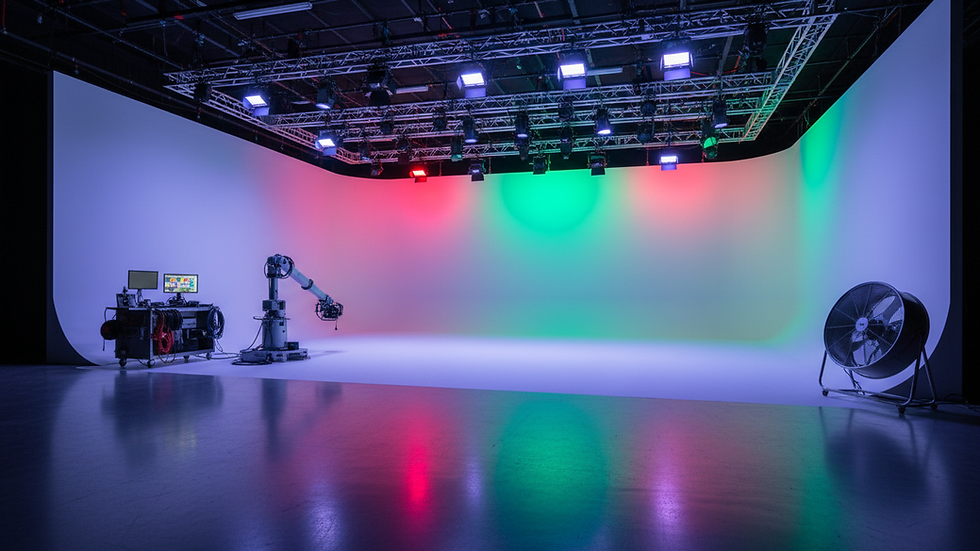
100 Sutton Studios features a diverse range of environments, including pre-lit cyclorama studios, green screens, and natural light stages. For those seeking optimal natural illumination, the daylight studio space in Brooklyn provides a unique setting for premium audiovisual production.
The facility also boasts a 70-seat deluxe theater, perfect for screenings and live streaming, as well as dedicated podcast studios. Clients can access a full suite of equipment, props, and motion control robotics for advanced camera work. Flexible studio configurations and on-site production offices cater to projects of any scale.
Benefits and Empowerment
100 Sutton Studios delivers state-of-the-art technology, privacy options, and a central location, all within a creative atmosphere tailored to photographers, filmmakers, designers, brands, and agencies. Whether producing intimate shoots or major campaigns, every team benefits from seamless workflows and expert support.
By providing cutting-edge resources and embracing the latest trends, 100 Sutton Studios empowers creators to maximize their audiovisual production potential and achieve standout results in 2026. As you’ve discovered throughout this guide, mastering audiovisual production in 2026 means staying ahead of trends, embracing new technologies, and finding the right environment to bring your creative visions to life. At 100 Sutton Studios, you’ll find the space, tools, and support to turn innovative ideas into high-impact content—whether you’re a filmmaker, photographer, designer, or brand leader. With flexible studios and expert resources right in Greenpoint, NY, you’re perfectly positioned to create standout work that meets tomorrow’s standards. Ready to take your next project to the next level? Book Your Studio Now


Comments